Why Buyers Are Paying More for Multi-Generational Homes
For years, the ideal home was often defined by location, size, and school district. Today, another feature is climbing to the top of many buyers’ wish lists: flexible living space for multiple generations.
Whether it’s aging parents moving in, adult children returning home to save for a down payment, or families wanting to stay connected while maintaining privacy, multi-generational living is becoming one of the biggest trends shaping today’s housing market.
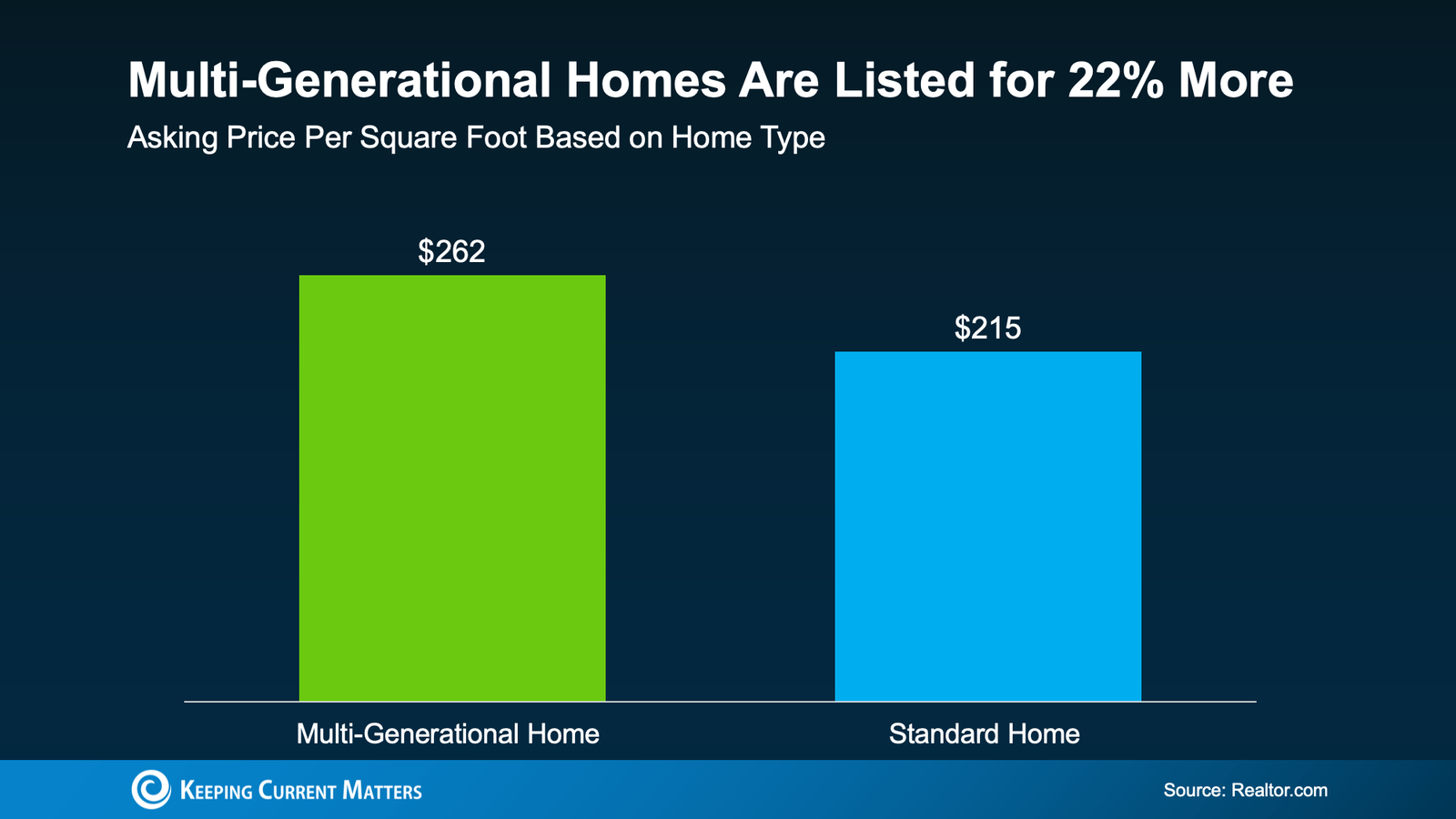
According to recent data from Realtor.com, multi-generational homes are listed for an average of 22% more per square foot than standard homes. That premium reflects the increasing demand for homes that can adapt to changing family needs.
For Bay Area homeowners, this trend presents both opportunities and important questions.
Why Multi-Generational Living Is Growing
Several factors are driving this shift.
Caring for Aging Parents
As a Seniors Real Estate Specialist (SRES®), I regularly work with families navigating conversations about aging, caregiving, and housing. Many older adults want to remain close to family while maintaining as much independence as possible.
A home with:
- a first-floor bedroom,
- an attached ADU,
- an in-law suite, or
- a private living area
can provide an excellent solution that supports both independence and family connection.
Helping Adult Children Build Wealth
Buying a first home in the Bay Area has become increasingly challenging.
Many parents are looking for ways to help their adult children while also making smart long-term financial decisions.
Some families are purchasing homes that allow:
- adult children to live at home while saving for a down payment,
- shared ownership between generations,
- rental income from an ADU to offset housing costs.
Instead of paying rent elsewhere, families can invest in real estate together and begin building generational wealth.
Remote Work Has Changed How We Use Our Homes
Working from home has permanently changed what buyers look for.
Flexible spaces that once served as formal dining rooms or guest bedrooms are now used as:
- home offices,
- study areas,
- fitness rooms,
- hobby spaces,
- caregiver suites.
Homes that can easily adapt to changing needs appeal to a much wider pool of buyers.
What Buyers Are Looking For
You don’t necessarily need a separate guest house to attract buyers.
Many buyers simply want a home that offers flexibility.
Features that continue to stand out include:
- ✔ Main-floor bedroom and full bathroom
- ✔ ADUs or in-law suites
- ✔ Separate entrances
- ✔ Bonus rooms
- ✔ Dual living areas
- ✔ Finished basements
- ✔ Large family rooms
- ✔ Flexible office or guest space
These features allow buyers to imagine how the home can evolve as their family’s needs change.
Should You Build an ADU?
California has made it easier than ever to build an Accessory Dwelling Unit (ADU), and many Bay Area homeowners are exploring this option.
An ADU can provide:
- Housing for aging parents
- Living space for adult children
- Rental income
- A home office or guest suite
- Increased flexibility for future resale
However, an ADU isn’t the right investment for every property.
Construction costs, permitting requirements, lot size, neighborhood demand, and your long-term goals should all be considered before moving forward.
You May Already Have Hidden Value
One of the biggest misconceptions I hear is:
“My home isn’t designed for multi-generational living.”
In reality, many homes already have features buyers value—they just aren’t being highlighted.
For example:
- A downstairs bedroom may become a future caregiver suite.
- A bonus room could serve as a private office or bedroom.
- An oversized family room may allow for flexible living arrangements.
- A large side yard may have ADU potential.
Sometimes, thoughtful staging and marketing help buyers see possibilities they might otherwise overlook.
Thinking About Selling?
If you’re planning to sell, today’s buyers aren’t just purchasing square footage—they’re investing in flexibility.
Understanding which features buyers value can help you decide:
- Which improvements are worth making
- Which features to highlight in marketing
- How to position your home to attract the strongest offers
In many cases, small changes in presentation can make a significant difference in how buyers perceive your home’s value.
Thinking About Buying?
If you’re searching for your next home, it may be worth thinking beyond your current needs.
Ask yourself:
- Will aging parents need to move in someday?
- Could an ADU provide rental income?
- Might adult children live at home after college?
- Would a flexible layout allow you to age in place?
Buying a home that can adapt over time may save you from another move in the future while creating additional financial opportunities.
The Bottom Line
The definition of the “ideal home” continues to evolve.
Today’s buyers value homes that offer flexibility, privacy, and the ability to support changing family dynamics. As the demand for multi-generational living grows, homes with adaptable layouts and features are increasingly commanding premium prices.
Whether you’re preparing to sell, considering an ADU, or simply wondering how today’s trends affect your home’s value, understanding what buyers are looking for can help you make smarter real estate decisions.
Let’s Talk About Your Home
Every property has unique strengths, and every family’s goals are different.
Whether you’re thinking about remodeling, selling, accommodating aging parents, or helping adult children become homeowners, I’d be happy to help you evaluate your options.
📅 Schedule a Complimentary Consultation
Together, we can discuss:
- Whether your home has hidden value for today’s buyers
- Which improvements offer the best return on investment
- ADU and multi-generational living opportunities
- A personalized strategy if you’re considering selling
🏡 Curious What Your Home Is Worth?
Request a complimentary Home Value & Equity Report to see how today’s market—and the growing demand for flexible living spaces—may be influencing your home’s value.